is an agricultural production system using environmentally friendly cultivation methods, without chemical fertilizers, insecticides, herbicides or growth stimulants. Urban organic agriculture is organic agriculture practiced in urban areas, using vacant spaces such as rooftops, balconies, sidewalks or public land for cultivation.
Definition and importance of organic agriculture in cities
Urban organic agriculture is a new agricultural trend intended to meet growing demand for safe, sustainable food in cities. It matters for urban environments, societies and economies. It helps reduce pollution, save water, conserve biodiversity and create communities, education and business opportunities.
Organic agriculture in cities goes beyond growing vegetables and fruit; it is a new way of life with social and cultural dimensions. It creates small urban communities where people can interact and share organic farming knowledge and experience, while strengthening connections among community members.
The current context and development of this trend
The history of urban organic agriculture may date back to ancient times, when people began cultivating crops in urban areas. However, the trend has only developed strongly in recent years due to rising urban populations and awareness of the environment and community health.
Factors driving urban organic agriculture include:
- Urban population growth: Urban populations worldwide are growing rapidly and are projected to reach 11 billion by 2050. This creates challenges for urban food security and environmental sustainability.
- Environmental awareness: People are increasingly concerned about conventional agriculture's environmental impacts, such as soil and water pollution and greenhouse gas emissions. Urban organic agriculture offers a solution to minimize these impacts and protect urban environments.
History and Development of Urban Organic Agriculture
A brief history of urban organic agriculture
As mentioned above, urban organic agriculture may date back to ancient times. However, the trend has only developed strongly in recent years as cities have become overloaded with population and environmental pollution.
The first urban organic agriculture projects were implemented in developed countries such as the United States, United Kingdom, France and Germany. In recent years, however, the trend has spread to developing countries such as Vietnam, China and India.
Factors driving development
As noted in the introduction, urban population growth and environmental awareness are the two main factors driving urban organic agriculture. Other factors include:
- Health: More people care about health and choose organic products to protect it. This has driven urban organic agriculture, where products are grown and processed organically.
- Innovation and creativity: New cultivation technologies and techniques such as hydroponics and aquaponics have improved efficiency and saved space in urban cultivation.
Current Trends in Urban Organic Agriculture
Statistics and specific examples of notable projects
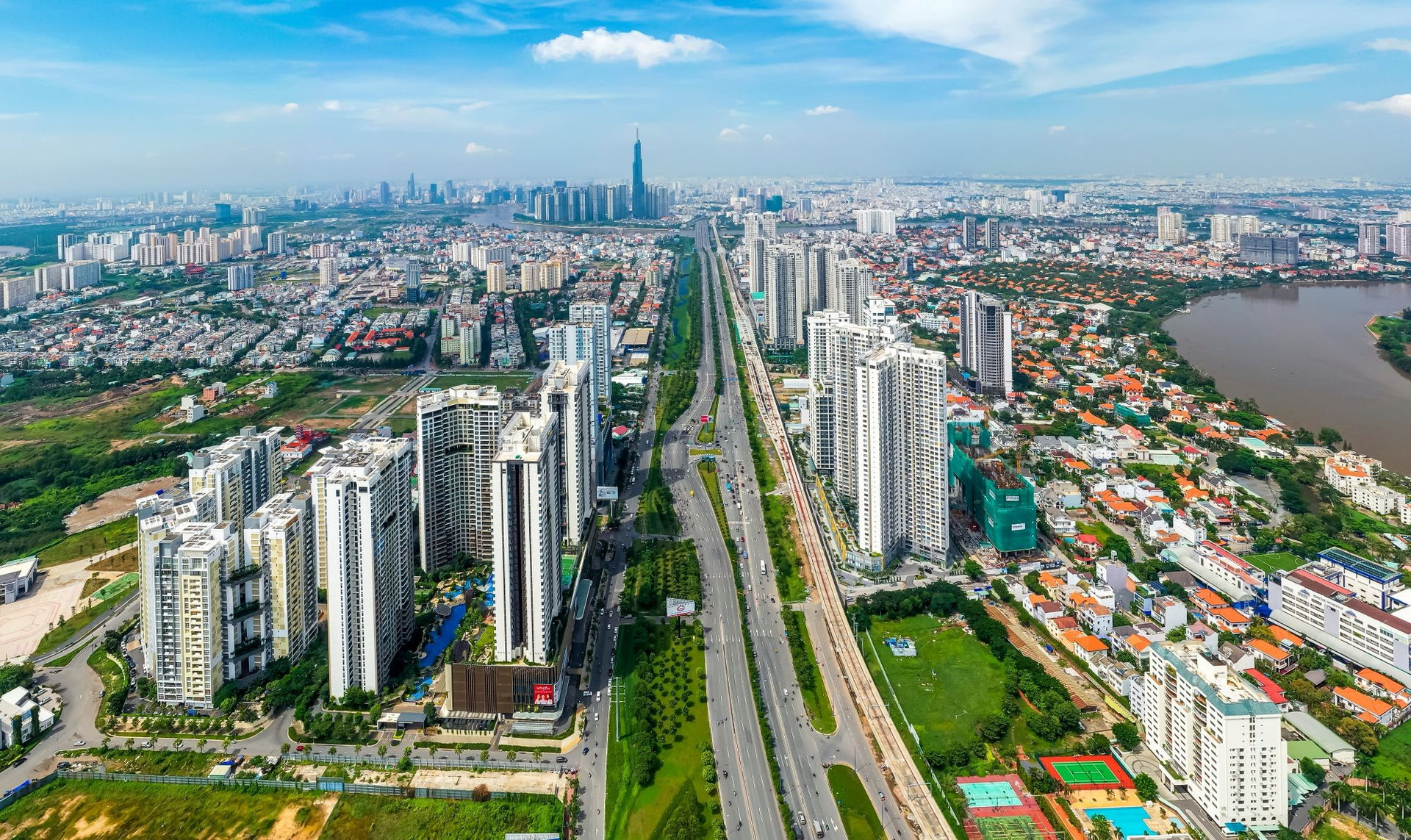
Many urban organic agriculture projects are currently being implemented worldwide. Below are some specific examples:
- The "Organic Farming Community" project in Chicago, United States: This project aims to create an organic farming community in the city, where people can grow vegetables and fruit on rooftops and vacant urban spaces.
- The "Rooftop Gardens" project in Singapore: This city-government project creates organic gardens on high-rise rooftops. It reduces pollution and adds greenery to the city.
- The "Growing Vegetables in Shipping Containers" project in London, United Kingdom: This unique project uses shipping containers to grow vegetables and fruit, making use of vacant urban spaces.
The effects of technology and innovation
New cultivation technologies and techniques improve efficiency and save space in urban farming. For example, hydroponics allows cultivation without soil, using nutrient solutions instead. Aquaponics combines plant cultivation and fish farming in one system, creating a natural regenerative cycle and saving water.
Benefits of Urban Organic Agriculture
Environmental benefits
Urban organic agriculture has many environmental benefits, including:
- Reduced pollution: Organic fertilizers and insecticides minimize soil and water pollution.
- Water savings: New cultivation techniques such as hydroponics and aquaponics save substantial water compared with conventional farming.
- Biodiversity: Urban organic agriculture creates favorable habitats for other animals and plants, enhancing urban biodiversity.
Social and economic benefits
Beyond environmental benefits, urban organic agriculture provides many social and economic benefits, including:
- Community building: Urban organic agriculture creates small urban communities where people can interact and share organic farming knowledge and experience.
- Education: Growing and caring for plants in cities increases people's agricultural and environmental knowledge and awareness.
- Business opportunities: Urban organic agriculture provides new income sources for households and individuals and business opportunities for related enterprises.
Challenges and Ways to Overcome Them
Some main challenges
Despite many benefits, urban organic agriculture faces many challenges, including:
- Space: Cities usually have limited space, making urban cultivation difficult.
- Resources: Urban organic agriculture projects require financial, human and technical resources.
- Urban planning: Implementing urban organic agriculture requires local-government support and planning.
Solutions and ways to overcome challenges
Possible solutions for overcoming these challenges include:
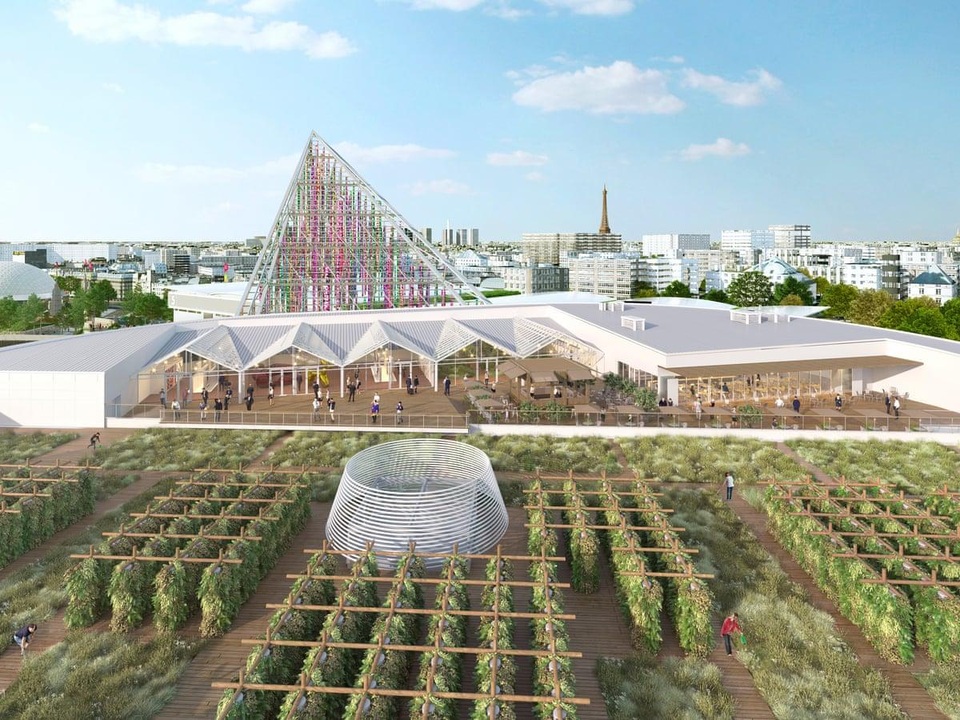
- Using rooftop space: Rooftops have potential for urban organic agriculture. Using them saves space and creates favorable conditions for cultivation.
- Smart cultivation techniques: New techniques such as hydroponics and aquaponics save space and optimize urban cultivation efficiency.
- Cooperating with local governments: Cooperation ensures support and planning for urban organic agriculture projects.
Getting Started with Urban Organic Agriculture
Basic steps to get started
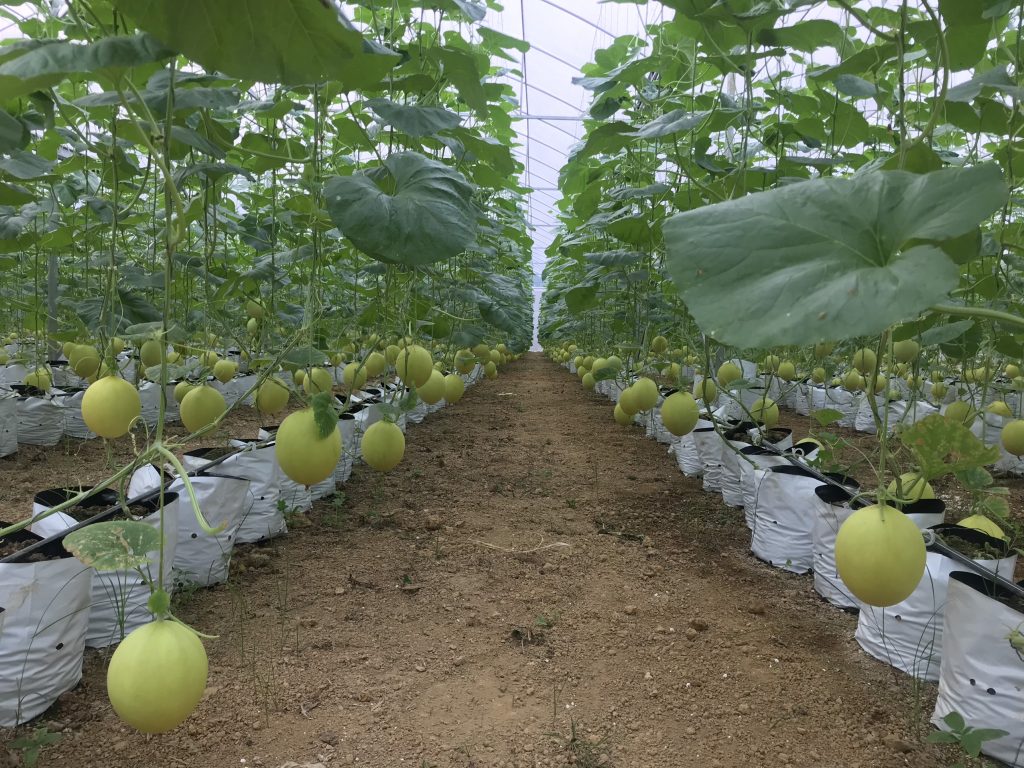
To begin urban organic agriculture, you can follow these steps:
- Learn about organic agriculture: Before starting, understand organic cultivation principles and processes.
- Choose a space and cultivation method: Depending on your conditions and objectives, choose rooftop space or new cultivation techniques such as hydroponics and aquaponics.
- Prepare finances and supplies: Urban organic agriculture requires financial resources and supplies such as seeds, nutrient solutions, etc.
- Start cultivating: Once preparations are complete, begin growing vegetables and fruit using your chosen method.
Choosing crops and cultivation methods
When choosing crops and cultivation methods for urban organic agriculture, consider:
- Weather conditions: Different crops require different light, temperatures and moisture. Choose crops suited to urban weather conditions.
- Space: Depending on available space, choose rooftop cultivation or new techniques such as hydroponics and aquaponics.
- Intended use: Choose different crops depending on whether they are for consumption or market sale.
The Future of Urban Organic Agriculture
Forecasts and potential future trends
Urban organic agriculture is expected to continue growing as environmental and community health awareness increases. New cultivation technologies and techniques will also continue to be researched and applied to optimize efficiency and save space.
The role of policy and education
Policy and education play important roles in promoting urban organic agriculture. Local governments need supportive policies and planning to facilitate urban organic agriculture projects. Organic agriculture education also needs strengthening to increase people's awareness and skills.
Conclusion

Urban organic agriculture is therefore a rapidly developing modern trend with many environmental, social and economic benefits. Sustainable development, however, requires local-government support and community participation. We hope this article has helped you understand urban organic agriculture and how to begin participating. Let us work together to build greener, more sustainable cities!
Related articles:
- Organic agriculture in Quang Ninh
- Vermicompost for urban balcony farming
- Cost effectiveness of organic and chemical fertilizers