is an agricultural production method using natural techniques and methods to maintain and enhance the health of soil, crops and animals. It is a form of sustainable agriculture intended to ensure balance between the economy, environment and society. In recent years, consumer demand for organic products has increased significantly, showing growing concern for environmental protection and human health.
In this article, join Ha Long Xanh to learn about the Benefits of organic agriculture for the environment. We will explore different aspects of organic agriculture and compare it with conventional agriculture to understand the differences and the importance of converting to organic agriculture.
Reducing Chemical Pollution

One of the clearest environmental benefits of organic agriculture is reduced use of harmful chemicals. In conventional agriculture, insecticides, herbicides and chemical fertilizers are used to control pests and diseases and increase yields. However, excessive use of these chemicals can have negative effects on the environment and human health.
Organic agriculture, meanwhile, uses natural methods to control pests and diseases and enhance plant health. Examples include using beneficial insects for pest control or organic fertilizers to improve soil quality. This reduces harmful chemical use and protects the environment.
Differences in chemical use between organic and conventional agriculture
To better understand differences in chemical use between organic and conventional agriculture, we can look at the comparison table below:
Type of chemical |
Organic agriculture |
Conventional agriculture |
|---|---|---|
Insecticides |
Uses beneficial insects or natural treatments |
Uses chemical insecticides |
Herbicides |
Uses mechanical methods such as mowing or organic fertilizer to prevent weed growth |
Uses chemical herbicides |
Fertilizers |
Uses organic or natural fertilizers |
Uses chemical fertilizers |
We can thus clearly see the differences in chemical use between these two forms of agriculture. Organic agriculture focuses on natural methods and disease prevention, while conventional agriculture relies on chemicals to control and treat crop-related problems.
The environmental effects of reducing chemical use
Reducing chemical use in organic agriculture has positive environmental effects. First, reducing the amount of chemicals used helps minimize soil and water pollution. These chemicals can have negative effects on human and animal health, weaken soil structure and reduce water quality.
Reduced chemical use also helps maintain and enhance biodiversity. Beneficial insects and bacteria can be killed by chemicals used in conventional agriculture, yet they are very important for ecosystem development. Minimizing chemical use helps maintain and enhance biodiversity, which in turn helps maintain a balanced, stable ecosystem.
Related studies and statistics
Many studies and statistical analyses have assessed the environmental effects of organic agriculture. A study by the United Nations Food and Agriculture Organization (FAO) found that chemical use in conventional agriculture accounts for approximately 25% of global greenhouse gases. Organic agriculture, meanwhile, accounts for only approximately 3% of these greenhouse gases.
A study by the European Environment Agency (EEA) also found that reducing chemical use in agriculture can help minimize soil and water pollution, protecting these valuable resources.
Protecting Biodiversity

Biodiversity is an important factor in the sustainable development of ecosystems. It plays an important role in maintaining natural balance and providing essential ecosystem services to people. However, conventional agriculture can have negative effects on biodiversity, whereas organic agriculture offers significant benefits for its protection.
The effects of organic agriculture on biodiversity
Organic agriculture has positive effects on biodiversity. First, the reduction in chemical use discussed earlier can help maintain and enhance biodiversity. Beneficial insects and bacteria can survive and develop in an unpolluted environment, helping maintain ecosystem balance.
Organic agriculture also has positive effects on animals. Using natural methods to control pests and diseases and protect crops reduces insecticide and herbicide use, protecting animals living in agricultural environments.
The role of organic agriculture in species conservation
Organic agriculture plays an important role in conserving rare and endangered species. Most of these species live in natural environments and are threatened by the development of conventional agriculture. Converting to organic agriculture helps maintain natural environments and protect the animals living there.
Organic agriculture can also create favorable conditions for beneficial animals such as birds and insects. They can help control pests and diseases and protect crops without harmful chemicals.
Practical examples and studies
Many examples and studies have demonstrated the positive effects of organic agriculture on biodiversity. A study by the European Environment Agency (EEA) found that converting to organic agriculture can help maintain and enhance biodiversity in rural areas.
A study by the United Nations Food and Agriculture Organization (FAO) also found that using natural methods in organic agriculture can help protect animals living in agricultural environments.
Improving Soil Quality

Soil quality is an important factor in sustainable agricultural development. It affects crop health and reproduction, as well as the quality and quantity of agricultural products. Organic agriculture has positive effects on soil quality, helping maintain and improve soil productivity.
The effects of organic fertilizer on soil structure and quality
is considered "food" for the soil, supplying nutrients essential for crops and maintaining soil structure. Using organic fertilizer in organic agriculture improves soil fertility, creating favorable conditions for plant development.
Organic fertilizer also helps maintain soil moisture and aeration, reducing erosion risks and protecting soil quality.
Preventing erosion and improving soil fertility
Soil erosion is a serious problem in conventional agriculture. Chemical use can weaken soil structure and increase erosion risks. However, using organic fertilizer in organic agriculture helps maintain soil fertility and minimize erosion risks.
Organic farming methods such as applying straw and humus can also improve soil fertility. They create a protective soil cover, helping retain moisture and maintain soil structure.
Comparison with the effects of conventional agriculture
Compared with conventional agriculture, organic agriculture has positive effects on soil quality. Using organic fertilizer and natural methods helps maintain and improve soil quality, while conventional agriculture tends to weaken soil structure and create erosion risks.
Reducing water use and protecting water sources
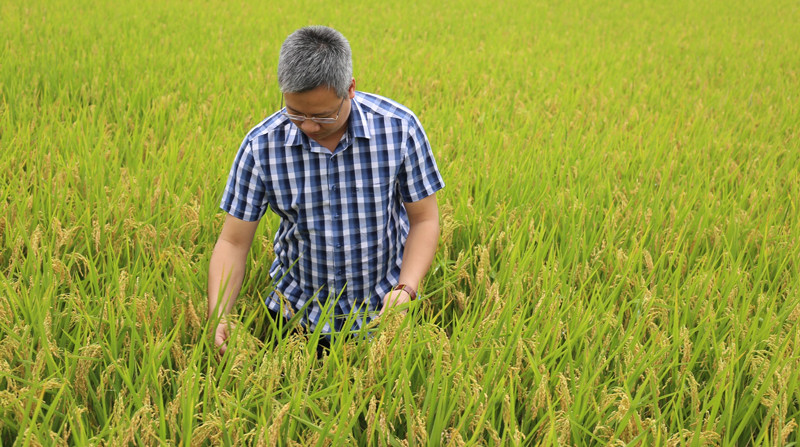
Water is a valuable resource and plays an important role in agriculture. However, conventional agriculture can negatively affect water sources, while organic agriculture provides significant benefits in using and protecting them.
Water use efficiency in organic agriculture
Organic agriculture has outstanding advantages in water use. Natural methods for pest and disease control and crop protection reduce irrigation water use. Organic fertilizer also helps maintain soil moisture, reducing the water needed for irrigation.
Protecting water sources from agricultural chemical pollution
Chemical use in conventional agriculture can pollute water, weakening the quality and quantity of water sources. However, reduced chemical use in organic agriculture protects water sources from harmful substances and maintains water quality.
Water-saving measures and techniques
Besides natural pest and disease control and crop protection methods, organic agriculture also has water-saving measures and techniques. For example, smart irrigation systems and cyclical irrigation techniques minimize the water needed for irrigation.
Reducing greenhouse gases and effects on climate change
Agriculture is one of the economic sectors with a major influence on climate change. However, organic agriculture can help reduce greenhouse gases and have a positive effect on climate change.
Organic agriculture and carbon sequestration
Carbon sequestration is the process of absorbing carbon from the atmosphere into soil and crops. Organic agriculture has outstanding advantages in maintaining and increasing carbon sequestration. Organic fertilizer and natural methods help maintain soil fertility and create favorable conditions for plant development, helping absorb and store more carbon.
Comparing greenhouse gas emissions from organic and conventional agriculture
According to a study by the United Nations Food and Agriculture Organization (FAO), organic agriculture can reduce greenhouse gas emissions by up to 48% compared with conventional agriculture. Natural methods in organic agriculture minimize chemical and energy use, reducing greenhouse gases released into the environment.
The role of organic agriculture in mitigating climate change
Organic agriculture plays an important role in mitigating climate change. Natural methods help maintain and increase carbon sequestration, reducing greenhouse gases and having a positive effect on climate change.
Beyond environmental benefits, organic agriculture also has positive effects on community health.
The indirect effects of organic agriculture on human health
Chemical use in conventional agriculture can have negative effects on human health. These chemicals can cause health problems such as allergies, cancer and other diseases. Converting to organic agriculture minimizes exposure to harmful chemicals, protecting community health.
Reducing health risks from exposure to agricultural chemicals
Besides minimizing exposure to harmful chemicals, organic agriculture uses natural measures and techniques to control pests and diseases and protect crops. Using organic treatments and fertilizers minimizes human health risks when coming into contact with agricultural products.
Studies on the relationship between organic agriculture and community health
Studies have shown that organic agriculture has positive effects on community health. A World Health Organization (WHO) study found that using organic treatments and fertilizers in organic agriculture minimizes human health risks. Studies also show that consuming organic products can help improve health and limit diseases associated with agricultural chemical use.
Contributing to Sustainable Development

Organic agriculture not only provides environmental and health benefits but also contributes to society's sustainable development.
Organic agriculture as part of a sustainable development model
A sustainable development model balances economic, social and environmental factors to meet current needs without affecting the capabilities of future generations. Organic agriculture is an important part of this model because it ensures balance among economic, environmental and social factors.
Balance between the economy, environment and society
Organic agriculture contributes to balance among economic, environmental and social factors. Natural methods help maintain and improve soil quality and water sources, creating a healthy environment for crops and animals to develop. At the same time, minimizing chemical use also protects human health and creates a healthy environment for the community.
Directions and policies supporting organic agriculture
Policies and directions supporting organic agriculture are very important for contributing to sustainable development. Governments and international organizations need policies and directions promoting organic agricultural development, creating favorable conditions for farmers and businesses to participate.
Conclusion
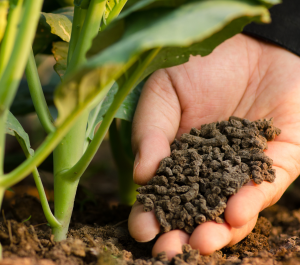
Organic agriculture not only benefits the environment and human health but also contributes to society's sustainable development. Conversion to organic agriculture is a current trend that needs encouragement and support to ensure the agricultural sector's sustainable development. We need awareness and action to protect our environment, health and future by supporting and using organic agricultural products.
Related articles:
- Organic agriculture in Quang Ninh
- Cost effectiveness of organic and chemical fertilizers
- Vermicompost for urban balcony farming