is becoming a global development trend, with significant growth in recent years. This is driven by growing consumer demand for clean, safe and healthful products. Meeting this demand, however, requires more than organic farming methods; modern technology also needs to be applied to production. In this article, Ha Long Xanh will help you better understand the role of technology in organic agriculture, as well as the latest trends and applications in this field.
Organic Agriculture: Concepts and Basic Principles

Definition of organic agriculture
Organic agriculture is an agricultural production method that does not use harmful chemicals such as insecticides, herbicides or chemical fertilizers. Instead, it focuses on natural and organic methods to protect crops and land, creating clean products safe for people.
Main principles of organic agriculture
- No harmful chemicals: This is the most fundamental principle of organic agriculture, ensuring that no harmful substances are used in production.
- Protecting and developing land: Organic agriculture focuses on protecting and developing land through natural methods such as organic fertilization and rotational cultivation.
- Environmental protection: Avoiding harmful chemicals and focusing on land protection also means protecting the natural environment.
- Respecting biodiversity: Organic agriculture encourages biodiversity in production, maintaining natural balance and minimizing pest and disease risks.
- Using renewable resources: Organic agriculture focuses on renewable resources such as organic fertilizer and rainwater to maintain natural balance.
Objectives and benefits of organic agriculture
The main objective of organic agriculture is to create clean, safe products beneficial to human health. It also has the following benefits:
- Minimizing environmental pollution: Avoiding harmful chemicals and focusing on land protection minimizes environmental pollution.
- Enhancing biodiversity: Natural methods in organic agriculture maintain biodiversity and minimize pest and disease risks.
- Protecting human health: Avoiding harmful chemicals in production creates products safe and beneficial for human health.
- Enhancing productivity and product quality: Although organic agriculture may require more effort than conventional agriculture, it delivers higher-quality products and better economic value.
Technology Trends in Organic Agriculture
Overview of emerging technology trends
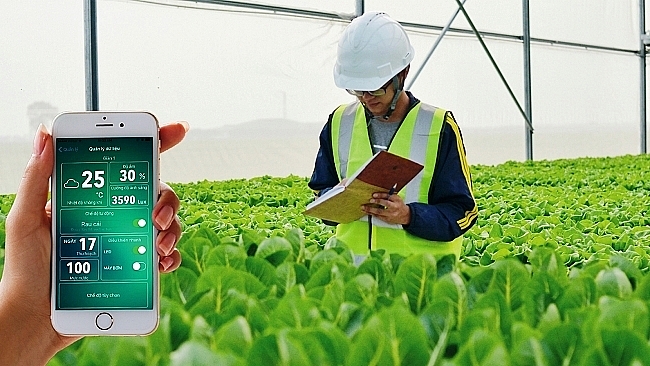
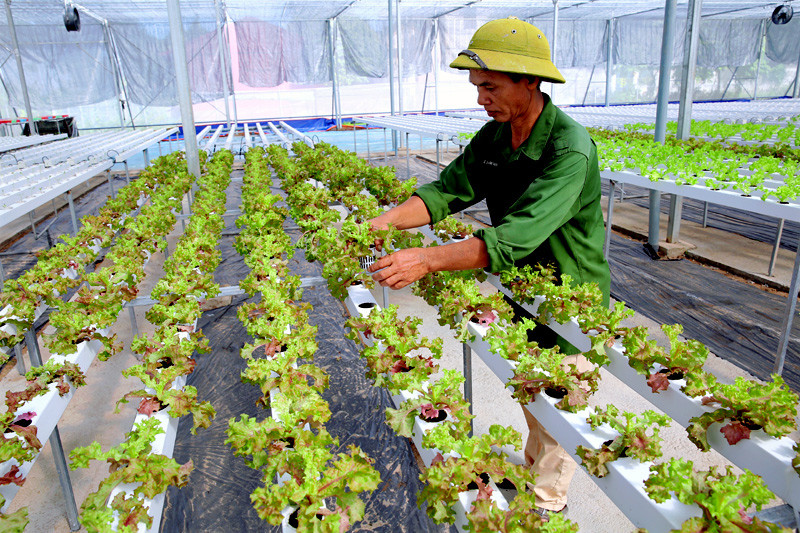
In recent years, many new technology trends have been applied to organic agriculture. Notable examples are developments in information technology, biotechnology and mechanical engineering. These technologies are used to optimize production, minimize costs and enhance efficiency.
Development of information technology, biotechnology and mechanical engineering in agriculture
- Information technology: Smart devices and software make production management and monitoring easier. Farmers can use applications to track soil moisture, temperature and nutrients, enabling precise and effective adjustments to cultivation activities.
- Biotechnology: Harmless biological methods such as genetic modification and beneficial bacteria have been applied to organic agriculture to minimize the development of diseases and insects harmful to crops.
- Mechanical engineering: Machinery and mechanical equipment make cultivation and harvesting faster and more efficient. Robots and automated machines also replace labor in difficult, time-consuming tasks.
Technology Applications in Organic Agriculture
Data management and soil analysis technology
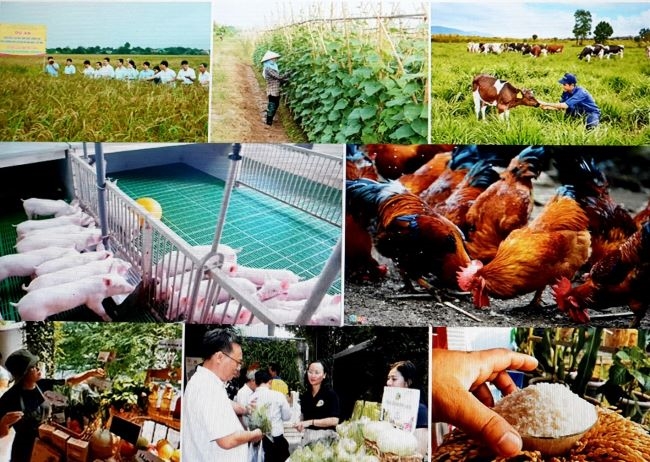
Sensors and software make soil data collection and analysis easier. Farmers can track soil moisture, temperature and nutrient indicators to adjust cultivation activities precisely and effectively.
Using robots and automated machinery in organic cultivation
Robots and automated machines replace labor in difficult, time-consuming work such as tillage, watering and harvesting. This saves money and time while minimizing worker risks.
Biotechnology: Genetic modification and harmless biological methods
Harmless biological methods such as genetic modification and beneficial bacteria have been applied to organic agriculture to minimize diseases and insects harmful to crops. This increases efficiency and product quality.
Remote monitoring and big data technology
Remote monitoring and big data technologies make production management and monitoring easier. Farmers can remotely track soil moisture, temperature and nutrients, enabling precise and effective adjustments to cultivation.
Challenges and Opportunities

Challenges in applying technology to organic agriculture
Although technology provides many benefits for organic agriculture, its application faces challenges. One of the greatest is high initial investment costs. New equipment and technologies require substantial investment, particularly for small-scale farmers. Technology adoption also requires workers to receive training and understand the technology, which can be difficult for conventional farmers.
Opportunities to improve performance and protect the environment
Despite many challenges, applying technology to organic agriculture also brings opportunities. Technologies enhance efficiency and product quality, creating products with higher economic value. Avoiding harmful chemicals in production also protects the environment and benefits the community.
Impacts and Effectiveness
Assessing technology's effects on organic product quality
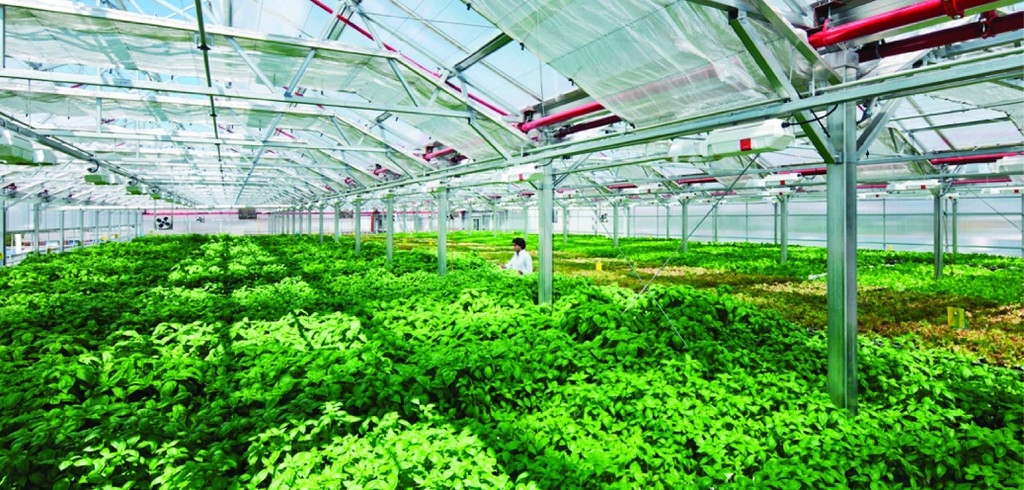
Applying technology to organic agriculture has had positive effects on product quality. Natural methods and avoiding harmful chemicals create clean, safe and high-quality products.
Comparing economic efficiency between traditional organic agriculture and technology-based approaches
Although applying technology to organic agriculture requires high initial investment, it delivers greater economic efficiency than traditional organic agriculture. Improving efficiency and product quality increases farmers' incomes.
The Future of Technology in Organic Agriculture
Forecasts for technological development in the sector:
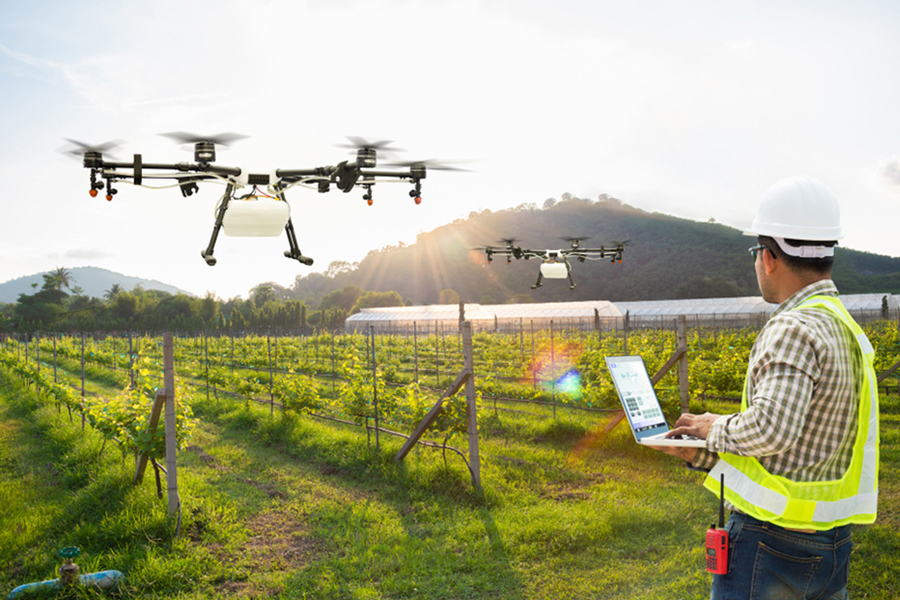
Technology is developing very rapidly and has potential applications in many fields, including organic agriculture. Researchers are seeking ways to develop new technologies and improve existing ones to optimize production and minimize costs.
Adaptability and the need for continuous innovation:
Adapting to and applying new technologies is necessary for sustainable organic agricultural development. This requires continuous innovation and cooperation between researchers and producers to create products clean and safe for people and the environment.
Conclusion
Technology therefore plays an important role in developing organic agriculture. New technologies enhance efficiency and product quality, protect the environment and create clean products safe for people. However, technology adoption also requires investment and continuous innovation to meet market needs and ensure the organic agriculture sector's sustainable development.
References
- "Technology in Organic Agriculture: Trends and Applications" - Agriculture and Rural Development Journal.
- "Information Technology in Organic Agriculture" - Website of the United Nations Food and Agriculture Organization (FAO).
- "Biotechnology Applications in Organic Agriculture" - Report by the Institute of Agricultural and Rural Development Research.
- "Remote Monitoring and Big Data Technology in Organic Agriculture" - Article by Hanoi University of Agriculture and Science and Technology.
- "Organic Agriculture and Technology: Challenges and Opportunities" - Article by the Institute of Agricultural and Rural Development Research.
Related articles:
- Organic agriculture in Quang Ninh
- Vermicompost for urban balcony farming
- Cost effectiveness of organic and chemical fertilizers