is a sustainable farming system based on ecological balance and natural cultivation practices to produce food. Pest and disease control is one of the greatest challenges for organic farmers. Effective control and treatment not only protect crops from damage but also ensure food safety for consumers and protect the environment. Join Ha Long Xanh in this article to learn about pest and disease treatment methods in organic agriculture
Definition of organic agriculture
According to the United Nations Food and Agriculture Organization (FAO), organic agriculture is "a sustainable agricultural production system based on ecological balance, without chemical plant protection products or synthetic chemical fertilizers". Organic agriculture focuses on natural cultivation practices to maintain soil fermentation, helping crops stay healthy and resist pests and diseases.
The importance of pest and disease control in organic agriculture
Pests and diseases are among the main causes of crop damage in agriculture. They can destroy crops and reduce agricultural yield and quality. Chemical plant protection products are restricted or prohibited in organic agriculture, making pest and disease control more difficult. Effective control plays an important role in:
- Protecting crops from damage and reducing agricultural production losses.
- Ensuring food safety for consumers.
- Protecting the environment and limiting soil, water and air pollution.
Aims of this article
This article presents pest and disease control methods in organic agriculture, including prevention and treatment. Its aim is to give farmers and others interested in organic agriculture the knowledge needed for effective control, helping protect crops, ensure food safety and protect the environment.
Causes and effects of pests and diseases in organic agriculture
Common pests and diseases in organic agriculture
Many pests and diseases can harm crops in organic agriculture. Below are some common types and their effects:
- Leafrollers: Harm vegetables and fruit crops such as cabbage, tomatoes, cucumbers, mangoes, oranges and lemons. These caterpillars can roll leaves and eat part of them, weakening and killing plants.
- Stink bugs: Harm crops such as pumpkins, gourds, eggplants and sweet potatoes. Stink bugs eat leaves and flowers, reducing yields and product quality.
- Stem borers: Harm crops such as coffee, pepper, black pepper and cashew. These pests eat leaves and stems, weakening and killing plants.
- Fruit borers: Harm crops such as mangoes, sugar apples, custard apples and pomelos. These pests eat fruit, reducing yields and product quality.
The effects of pests and diseases on crops and the environment
Pests and diseases not only harm crops but also affect the surrounding environment. Chemical plant protection products commonly used in conventional agriculture can pollute soil, water and air. Their use can also reduce soil fermentation and weaken the soil ecosystem.
Pest and disease prevention methods

Crop rotation and diversification
Crop rotation is an important pest and disease control method in organic agriculture. Farmers change the crops on the same land according to a set cycle. This minimizes the buildup of pests and diseases in soil and maintains soil fermentation.
Crop diversification is also an effective control method. By growing different crops, farmers can minimize the spread of pests and diseases and strengthen the soil ecosystem.
Using resistant crop varieties
Using crop varieties resistant to pests and diseases is an effective way to minimize their development in organic agriculture. These varieties are bred or selected to resist common pests and diseases. Their use not only helps control pests and diseases but also minimizes plant protection product use.
Balancing soil conditions and crop nutrition
Balancing soil conditions and crop nutrition is important for pest and disease control in organic agriculture. Soil pH and moisture need to be balanced to maintain the soil ecosystem and keep crops healthy. Adequate plant nutrition also increases resistance to pests and diseases.
Organic pest and disease treatment methods
Using organic fertilizers and plant protection products
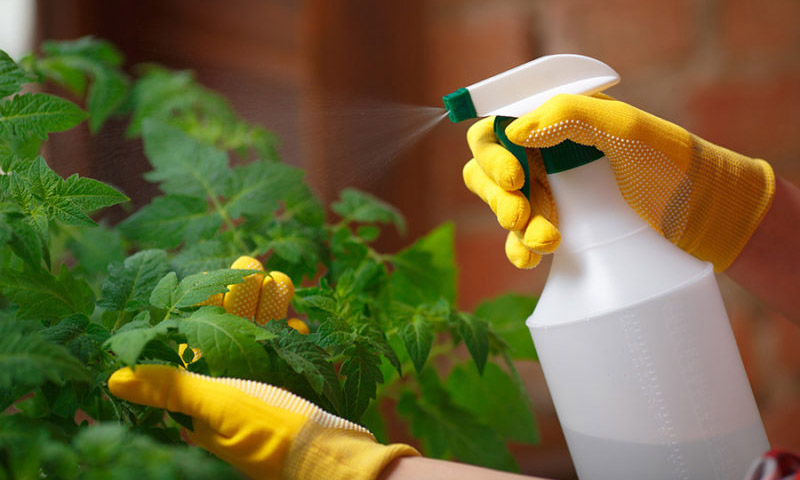
Organic farmers can use organic fertilizers and plant protection products to control pests and diseases. Organic fertilizers such as green manure and foliar fertilizers supply nutrients naturally and increase plant resistance. Organic plant protection products made from natural ingredients, such as neem oil and cinnamon extracts, can also be used for control.
Biological methods: using natural enemies of pests and diseases
Biological methods are effective for pest and disease control in organic agriculture. Instead of chemical plant protection products, farmers can use natural enemies such as insects, bacteria and fungi to minimize pest and disease development. This is safe for the environment, maintains the soil ecosystem and minimizes the spread of pests and diseases.
Mechanical and physical measures: traps, protective nets, etc.
Besides the methods above, farmers can use mechanical and physical measures for pest and disease control in organic agriculture. These include traps and protective nets to prevent pests and diseases from invading crops. This minimizes plant protection product use and protects the environment.
Practical examples and case studies

Successful cases of organic pest and disease control
Worldwide, there have been many studies and successful cases of pest and disease control in organic agriculture. One is using natural enemies to control leafrollers on cabbage in India. Results showed that the insect Eriborus argenteopilosus reduced leafroller development and increased cabbage yields.
Lessons from research and practical experience
Research and practical experience offer important lessons for organic pest and disease control. Most importantly, maintain the soil ecosystem and diversify crops to minimize pest and disease spread. Natural methods, such as natural enemies, are also an effective, environmentally safe solution.
Conclusion and recommendations
In summary, pest and disease control in organic agriculture plays an important role in protecting crops, ensuring food safety and protecting the environment. Prevention and treatment methods include crop rotation, resistant crop varieties, balanced soil conditions and crop nutrition, and organic fertilizers and plant protection products.
Related articles:
- Organic agriculture in Quang Ninh
- Cost effectiveness of organic and chemical fertilizers
- Vermicompost for urban balcony farming