Note on the level of evidence
This article is a reference guide and is being supplemented with independent source comparisons. The percentages, application rates or results mentioned are not guarantees of effectiveness for HLX50 or a specific garden. Follow the product label, trial it on a small scale and adjust for the crop, soil and weather.
In recent years, the trend toward organic products in agriculture has become increasingly popular. With outstanding health and environmental benefits, many farmers have switched to vermicompost instead of conventional chemical fertilizers. However, many people still do not clearly understand the properties and use of vermicompost in organic cultivation. In this article, Ha Long Xanh will help you better understand this product and how to make the most of its benefits.
Vermicompost in organic cultivation: benefits and limitations
What is vermicompost
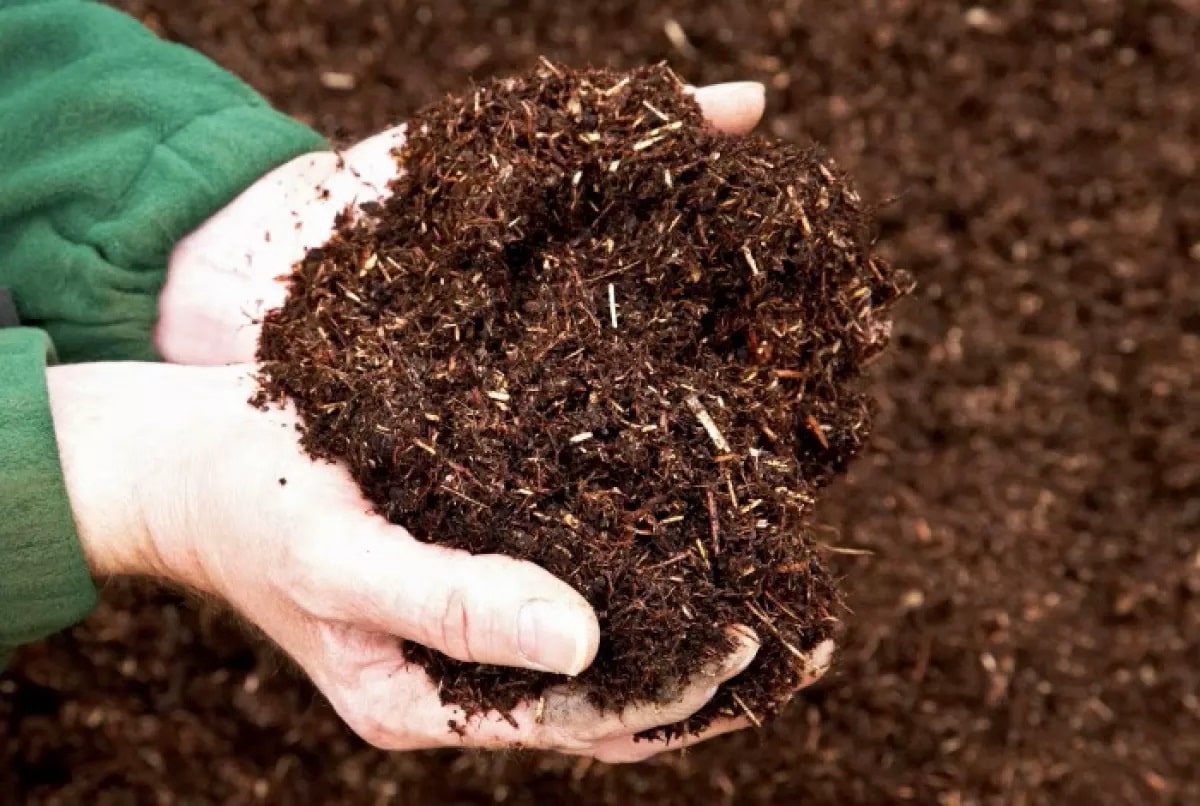
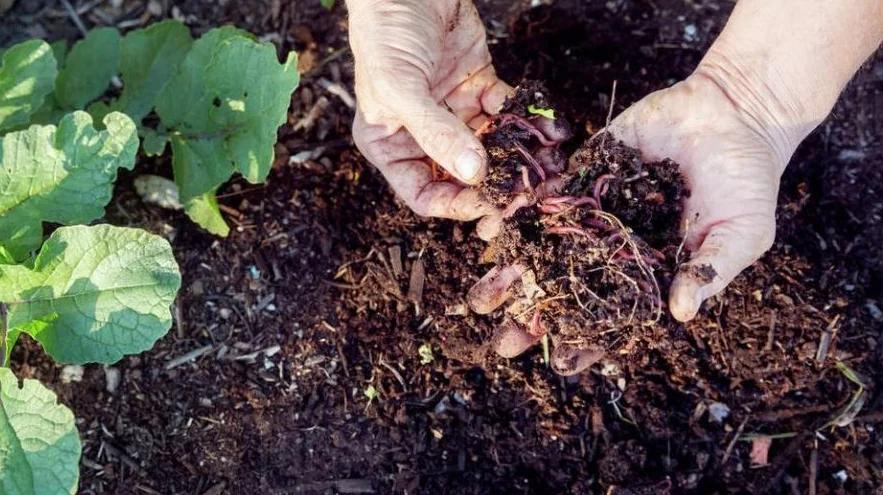
Vermicompost is the product of organic matter decomposition by composting worms. Composting worms are small earthworms capable of digesting and decomposing organic materials such as livestock and poultry manure and plant waste into vermicompost. Today, vermicompost is widely used throughout the world, especially in
The role of vermicompost in organic cultivation
Vermicompost is an organic fertilizer with many outstanding advantages over chemical fertilizers. It has high nutrient content in readily absorbable forms, improves soil quality and enhances plant health. Vermicompost plays an important role in organic cultivation, specifically as follows:
- Providing nutrients for crops: Vermicompost contains all nutrients essential for crops, including nitrogen, phosphorus, potassium, calcium and magnesium. These nutrients are broken down into readily absorbable forms, helping crops develop healthily and produce high yields.
- Improving soil quality: Vermicompost improves soil structure, loosens and aerates soil, and increases water and nutrient retention. This helps crops develop roots easily, absorb nutrients and better withstand pests and diseases.
- Protecting the environment: Using vermicompost in organic agriculture minimizes environmental pollution caused by chemical fertilizers. Vermicompost not only enhances the soil's ecological properties but also helps maintain natural ecosystem balance.
Aims of this article
This article introduces the properties and benefits of vermicompost in organic cultivation, effective ways to use it, and practical experience from farms and scientific research. It also provides recommendations and directions for the sustainable development of vermicompost use in organic agriculture.
Properties and Composition of Vermicompost
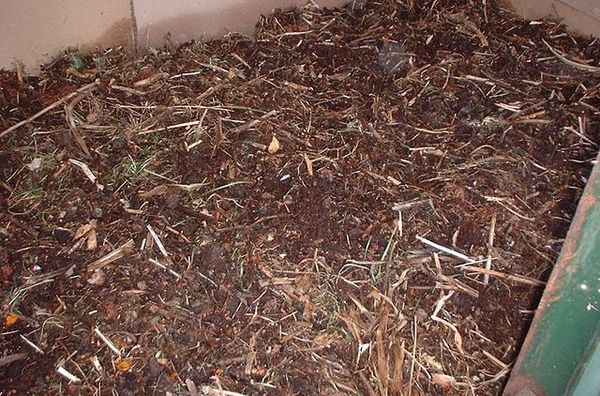
Chemical composition of vermicompost
Vermicompost consists mainly of organic substances, including amino acids, proteins, lipids and various sugars. It also contains minerals such as potassium, calcium, magnesium and phosphorus. These are all essential nutrients for crops and help improve soil quality.
Nutritional and biological benefits of vermicompost
Vermicompost has many nutritional and biological benefits, including:
- Enhancing plant health: With high nutrient content in readily absorbable forms, vermicompost helps crops develop healthily and better withstand diseases and pests.
- Improving soil quality: Vermicompost is alkaline, helping improve soil pH and make soil loose and aerated. This helps crops develop roots easily and absorb nutrients better.
- Enhancing soil biological activity: Through the microorganisms it contains, vermicompost stimulates beneficial microbial activity in soil, helping maintain biological balance and prevent harmful bacterial growth.
Comparison with other organic fertilizers
Compared with other organic fertilizers such as cow, pig or poultry manure, vermicompost has many outstanding advantages. First, it has higher nutrient content in more readily absorbable forms, helping crops develop faster and produce higher yields. Second, vermicompost is alkaline, improving soil pH and making soil loose and aerated, which other fertilizers do not do. Finally, its use also protects the environment and maintains natural ecological balance.
Benefits of Vermicompost in Organic Cultivation
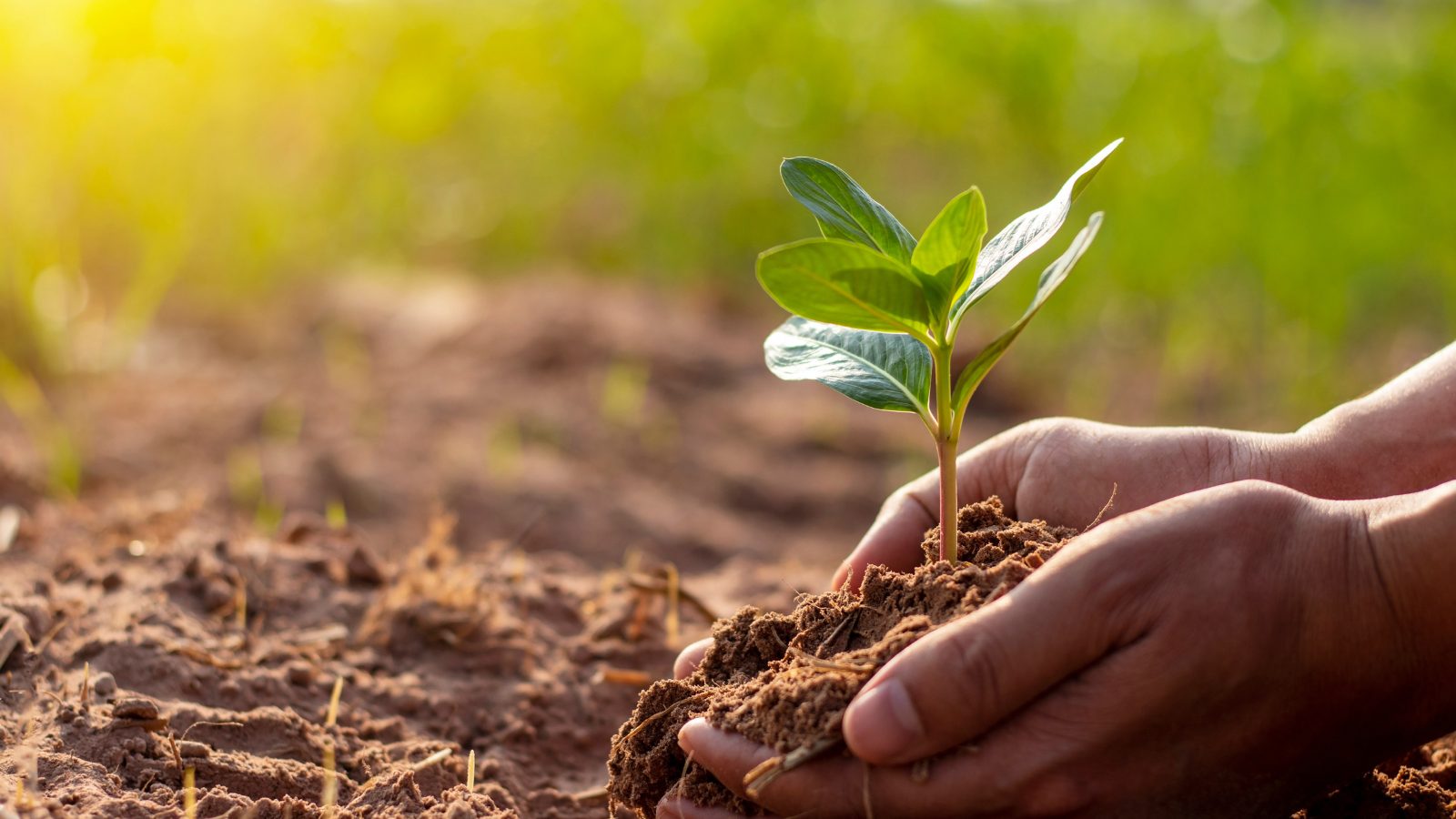
Improving soil quality
One of the most important benefits of vermicompost is improved soil quality. Soil fertilized with vermicompost becomes loose and aerated, helping crops develop roots easily and absorb nutrients. This also minimizes oxidation and improves contaminated soil.
Enhancing crop health and productivity
Using vermicompost enhances crop health, helping plants better withstand diseases and pests. It also helps crops develop faster and produce higher yields.
Contributing to environmental protection
Using vermicompost in organic agriculture minimizes environmental pollution caused by chemical fertilizers. Vermicompost not only enhances the soil's ecological properties but also helps maintain natural ecosystem balance.
Techniques and Methods for Using Vermicompost

Instructions for effective use
To use vermicompost effectively, first prepare the growing soil. Loosen the soil and apply vermicompost in spring or autumn, before sowing or planting. Then water the soil so the vermicompost dissolves and penetrates deeply.
Suitable application timing and rates
Suitable timing and rates depend on the crop and soil conditions. However, vermicompost should generally be applied in spring or autumn at approximately 2-3kg/m2. For crops with greater nutrient needs, such as clean vegetables and field crops, the rate can be increased to 4-5kg/m2.
Combining it with other fertilizers and soil improvement methods
For the best results, vermicompost can be combined with other organic fertilizers such as cow, pig or poultry manure. Soil improvement using vermicompost can also be combined with microbial fertilizers and measures such as applying straw, grass or rice husks to enhance the soil's ecological properties.
Using Vermicompost in Different Cultivation Systems
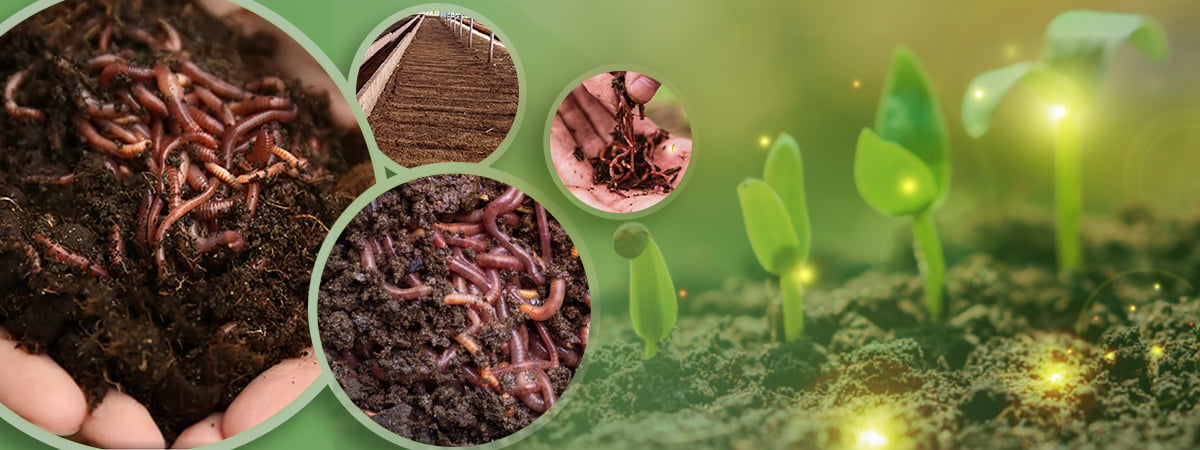
Growing clean vegetables and field crops
Vermicompost is an ideal choice for growing clean vegetables and field crops in organic agriculture. It improves soil quality and supplies sufficient nutrients for crops, helping them grow healthily and produce high yields.
Cultivating fruit trees and perennial crops
Vermicompost also delivers good results in fruit tree and perennial crop cultivation. It improves soil quality and enhances plant health, helping plants develop healthily and produce higher yields.
Use in nurseries and industrial crops
Vermicompost can also be used in nurseries and for industrial crops such as rubber, coffee and pepper. It improves soil quality and enhances plant health, helping crops develop healthily and produce higher yields.
Challenges and Limitations of Vermicompost Use
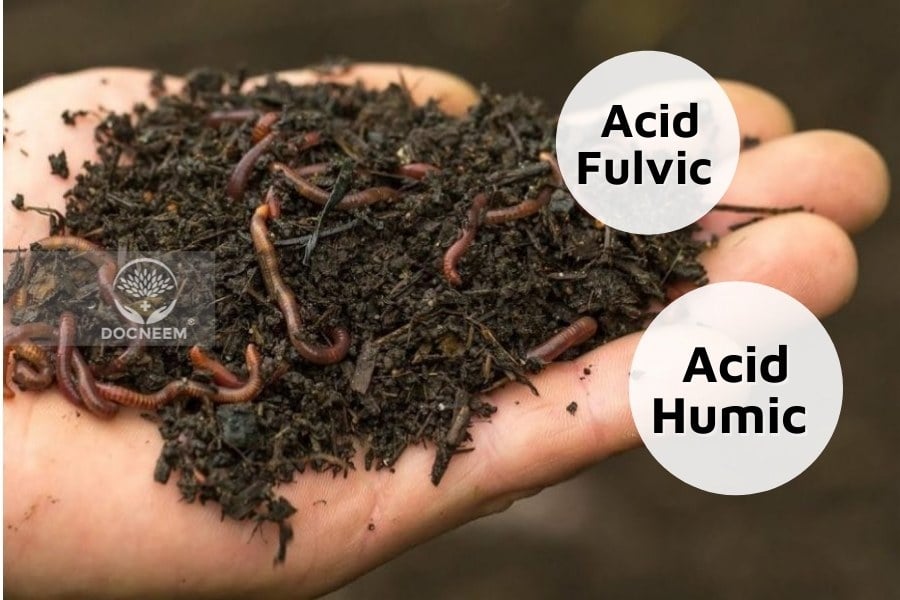
Cost and supply issues
Despite its many benefits, vermicompost use also faces some challenges and limitations. Production and transport costs remain quite high, so the product is not inexpensive. Vermicompost supply is also unstable, creating many difficulties in its use.
Environmental and climatic limitations
Vermicompost use also faces environmental and climatic limitations. Producing vermicompost requires substantial energy and water consumption, negatively affecting the environment. Climatic conditions also affect its production and transport.
Solutions and recommendations
To address the challenges and limitations of vermicompost use, the following solutions and recommendations are needed:
- Seek stable supplies of vermicompost at reasonable prices.
- Develop more efficient vermicompost production and transport technologies to minimize negative environmental impacts.
- Research and apply soil regeneration measures combining vermicompost with other fertilizers.
- Encourage and support farmers in producing and using vermicompost in organic agriculture.
Practical Experience
Farm models that use vermicompost effectively
Worldwide, many farm models have used vermicompost effectively in organic agriculture. Typical examples include the Suståne farm in the United States and Ha Long Xanh farm in Vietnam.
Feedback from farming communities
Farmers who have used vermicompost report that it helps crops grow healthily and produce higher yields. Its use also protects the environment and maintains natural ecological balance.
Scientific research and experimental results
Many scientific studies have demonstrated the benefits of vermicompost in organic agriculture. Experimental results show that vermicompost enhances soil biological activity and improves soil quality, while increasing product yield and quality.
The Future of Vermicompost in Organic Agriculture
Trends and technological development
In the future, vermicompost use in organic agriculture will continue to be encouraged and developed. Its production and transport technologies will also be improved to minimize negative environmental impacts.
Cooperation and support from governments and international organizations
Governments and international organizations have supported, and continue to support, vermicompost use in organic agriculture. This strengthens cooperation and support for farmers in producing and using the product.
Development prospects and potential
With its benefits and development potential, vermicompost has very promising prospects in organic agriculture. Its use will improve soil quality, enhance productivity and protect the environment, while supporting sustainable agricultural development.
Conclusion
Summary of key points Vermicompost is an organic product originating from the treatment of waste and animal manure. It has good nutritional and biological properties, improving soil quality and enhancing plant health in organic agriculture. Using vermicompost also protects the environment and maintains natural ecological balance.
Recommendations for farmers and producers Farmers and producers should use vermicompost to improve soil quality and enhance productivity in organic agriculture. At the same time, they need stable supplies at reasonable prices to ensure effective and sustainable use.
Directions for sustainable development Cooperation and support from governments and international organizations are needed to ensure sustainable development of vermicompost use in organic agriculture. Research and application of more efficient production and transport technologies must also continue to minimize negative environmental impacts.
References
- "Composting and Vermicomposting: Sustainable Approaches to Manage Organic Wastes" - Food and Agriculture Organization of the United Nations (FAO)
- "The use of vermicompost in organic farming: Overview, effects on soil and economics" - ScienceDirect
- "Vermicomposting: A better option for organic waste management" - International Journal of Environmental Science and Technology
- Documents from organic agriculture organizations
- "Organic Farming Manual" - International Federation of Organic Agriculture Movements (IFOAM)
- "Organic Agriculture: A Global Perspective" - Food and Agriculture Organization of the United Nations (FAO)
- "Organic Farming Handbook" - Rodale Institute
- Experience from farmers' associations and communities
- "Organic Farming: A Practical Guide" - Organic Farming Research Foundation (OFRF)
- "The Organic Farmer's Handbook" - The Rodale Institute
- "Vermicomposting: A Guide for Small-Scale Farmers" - International Institute of Rural Reconstruction (IIRR)
Related articles:
- Pure vermicompost
- HLX50 vermicompost application rates for each type of plant
- Does vermicompost smell?
Quickly calculate the amount of HLX50 vermicompost your garden needs
Open the application rate calculator →