is an agricultural production system based on natural principles, without synthetic chemicals, chemical fertilizers, plant protection products or other harmful chemicals. Instead, organic agriculture uses traditional cultivation practices combined with organic fertilizers, microorganisms and other natural methods to create clean products safe for human health and protect the environment.
The development of organic agriculture in Vietnam is receiving strong attention and investment from the Government and relevant organizations. Aiming to supply clean food safe for human health, protect the environment and strengthen Vietnamese agricultural products' international competitiveness, organic agriculture is becoming a worldwide development trend, particularly in developed countries.
Overview of organic agriculture and its importance for Vietnam
Organic agriculture has existed for a long time in Vietnam's agricultural history. However, it has only received strong attention and development in recent years as awareness of health and environmental protection has grown and demand for clean, safe food has increased.
According to Ministry of Agriculture and Rural Development data, Vietnam currently has approximately 240.000 ha of organically cultivated land, representing around 1% of its total agricultural land. Northern mountainous provinces such as Lao Cai, Son La, Ha Giang and Yen Bai, and central provinces such as Quang Nam, Nghe An and Thua Thien Hue, have the largest organic cultivation areas.
Organic agriculture not only benefits human health but also protects the environment. By avoiding harmful chemicals, it minimizes soil, water and air pollution. Natural cultivation practices also maintain soil looseness and protect biodiversity.
Objectives and drivers of organic agricultural development in Vietnam
Organic agricultural development in Vietnam pursues the following objectives:
- Supplying clean food safe for human health, contributing to improved quality of life.
- Protecting the environment and minimizing soil, water and air pollution.
- Strengthening Vietnamese agricultural products' competitiveness in international markets.
Drivers of organic agricultural development in Vietnam include:
- Growing Vietnamese consumer demand for clean, safe food.
- The global economy's sustainable development trend, particularly in developed countries.
- Vietnamese Government policies and legal frameworks supporting organic agriculture.
The Current Context of Organic Agriculture in Vietnam

The current situation of organic agriculture (area, output, etc.)
As noted in the introduction, Vietnam currently has approximately 240.000 ha of organically cultivated land, representing around 1% of its total agricultural land. However, this remains very small compared with its potential and market demand.
According to estimates by the United Nations Food and Agriculture Organization (FAO), Vietnam could increase its organic cultivation area to 1 million ha in the future. This shows that its organic agricultural development potential remains very large.
However, Vietnam's current organic agricultural output accounts for only approximately 0,5% of its total agricultural production. This shows a need for stronger efforts and investment to develop organic agriculture.
Assessment of domestic and export markets
Vietnam's organic agriculture market is currently developing strongly and has great potential. According to a report by the International Fund for Agricultural Development (IFAD), the market is worth approximately 200 million USD and tends to grow by 15-20% annually.
However, the domestic organic agriculture market remains small and underdeveloped. Most organic products are sold through small retail channels or supermarkets. This shows a need for support and investment to build more effective distribution channels and market access.
Vietnam's organic agriculture exports are also developing positively. Its organic products are now exported to demanding markets such as the United States, Europe and Japan. However, substantial potential and opportunities remain to develop export markets in the future.
Policies and Legal Framework
Assessment of current policies relating to organic agriculture
The Vietnamese Government currently has policies and regulations supporting organic agricultural development. However, many issues still need addressing to create more favorable conditions for organic producers.
Some current policies and regulations relating to organic agriculture in Vietnam include:
- The Government's organic agriculture development program for 2016-2020.
- Regulations on organic fertilizer production, trading and use.
- Regulations on standards and labeling for organic products.
- Financial support and training policies for organic farming households.
However, changes and improvements in implementing these policies are needed to create more favorable conditions for organic producers.
Legal regulations and standards for organic products
Vietnam currently has several legal regulations and standards for organic agricultural products, such as:
- The Ministry of Agriculture and Rural Development's organic product standards.
- The Ministry of Industry and Trade's organic labeling regulations.
- The Ministry of Agriculture and Rural Development's regulations on organic fertilizer production, trading and use.
However, changes and improvements in implementing these regulations are needed to ensure quality and consumer safety.
Challenges in Organic Agricultural Development
Resource, training and technical capacity issues
One of the greatest challenges for organic agriculture in Vietnam is a lack of resources and training. There are currently very few people with organic agriculture knowledge and skills, making effective organic cultivation models difficult to implement.
Investment and improved technical capacity are also needed for organic farming households to ensure product quality and output.
Market access and consumer awareness challenges
Although organic food demand is rising, many difficulties remain in market access for organic products. Most organic farming households still lack effective distribution channels and market access.
Consumer awareness of organic agriculture also remains limited. Many people still do not clearly understand the benefits and value of organic products, creating difficulties in market access and increasing sales.
Opportunities and Potential
Analyzing opportunities in domestic and international markets
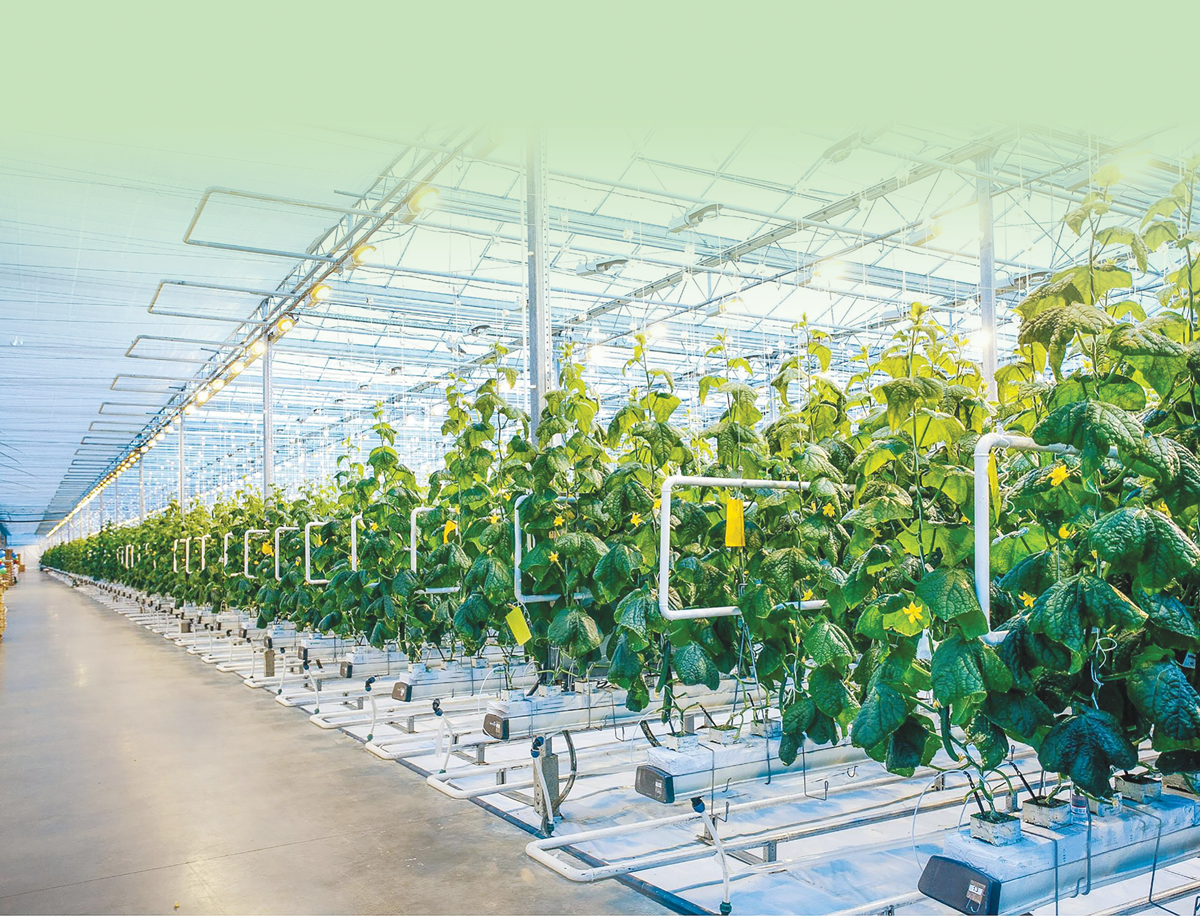
Vietnam's organic agriculture market has many development opportunities. With economic growth and demand for clean, safe food, the market has substantial development potential.
Export markets are also a major opportunity for Vietnam's organic agriculture. With strict product safety and quality standards and regulations in markets such as the United States, Europe and Japan, Vietnamese organic products can take advantage of this opportunity to develop.
Potential to improve community health and protect the environment
Organic agriculture not only provides economic benefits but also plays an important role in improving community health and protecting the environment. Organic products are produced according to strict standards and regulations, without harmful chemicals that pollute the environment.
Developing organic agriculture will minimize chemical agriculture's environmental impacts and supply safe food to consumers, contributing to improved community health.
Representative Models and Methods

Introducing successful organic agriculture models in Vietnam
There are currently many successful organic agriculture models in Vietnam, such as:
- Organic cultivation along a value chain in Da Lat.
- Organic cultivation combined with ecotourism in Hoi An.
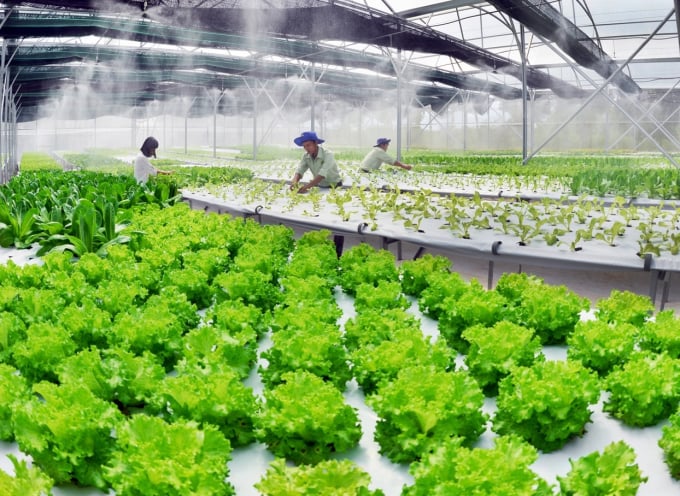
- Rooftop organic cultivation in Ho Chi Minh City.
These models have demonstrated organic agriculture's effectiveness and sustainability, while providing economic and social benefits for farming households.
Innovative and sustainable organic cultivation methods
Effective organic agricultural production requires innovation and the application of modern, sustainable cultivation methods. Some methods currently applied in Vietnam include:
- Organic cultivation along a value chain.
- Organic cultivation combined with ecotourism.
- Rooftop organic cultivation.
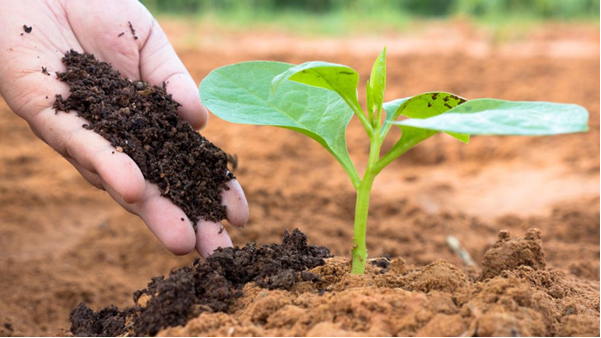
- Using organic fertilizers and microorganisms to protect crops.
Applying innovative and sustainable organic cultivation methods increases productivity and product quality while minimizing environmental impacts.
Development Strategies and Directions
Proposed future strategies and action plans
Developing organic agriculture in Vietnam requires a clear, effective strategy and action plan. Proposals for this strategy and plan include:
- Increasing investment and human resource training in organic agriculture.
- Building more effective distribution channels and market access.
- Increasing consumer awareness of organic agriculture.
- Promoting cooperation between production units and government to create favorable conditions for organic agricultural development.
Sustainable development directions combined with technology and innovation
Ensuring sustainable organic agricultural development requires combining technology and innovation. Modern technologies and new cultivation methods increase productivity and product quality while minimizing environmental impacts.
Innovation and creativity will also strengthen Vietnam's organic agriculture competitiveness in international markets.
Conclusion
In summary, organic agriculture plays an important role in protecting the environment, improving community health and contributing to Vietnam's economic development. However, many challenges and opportunities remain for its future development in Vietnam.
Related articles:
- Organic agriculture in Quang Ninh
- Cost effectiveness of organic and chemical fertilizers
- Vermicompost for urban balcony farming