Using composting worm biomass is an environmentally friendly and effective option for growing crops. With increasing demand for sustainable agricultural production, composting worm biomass is becoming a popular choice among farmers in Vietnam. In this article, Ha Long Xanh will help you better understand composting worm biomass and how to raise and care for it for use in your agricultural activities.
Composting worm biomass

What is composting worm biomass?
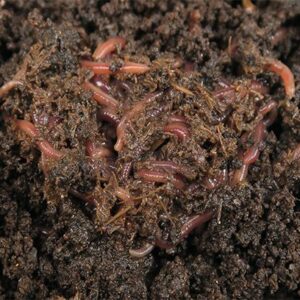
is an indispensable part of a worm bed, also known as a worm nest. It contains parent worms, mature worms, young worms and cocoons. Composting worm biomass is created from organic materials such as straw, hay, sugarcane bagasse, organic fertilizer and other feeds.
One important feature of composting worm biomass is that it helps maintain moisture and temperature in the worm bed. With biomass present, bed moisture is maintained at an ideal level for worm growth and development. The biomass also helps keep bed temperature stable, avoiding hot or cold conditions that affect worm health.
Besides its environmental effects, composting worm biomass plays an important role in improving soil quality and increasing production yields. When worms eat organic materials in the biomass, they digest them and return fertilizer to the soil, increasing nutrients and beneficial microorganisms for crops. This improves soil quality, creates a good habitat for crops and increases production yields.
Composting worm biomass also helps control the development of parasites and bacteria harmful to worms. The organic materials in the biomass provide a nutrient-rich environment for worms, helping them grow vigorously and resist disease better.
Composting worm biomass in Quang Ninh
Quang Ninh is one of the provinces with favorable natural conditions for agricultural development, particularly crop cultivation. With terrain ranging from plains to mountains, Quang Ninh can grow many different crops. However, chemical fertilizer use has caused many negative effects on the environment and human health.
To address this problem, composting worm biomass has been widely used in Quang Ninh. With its ability to improve soil quality without harming the environment, composting worm biomass is a friendly and effective solution for growing crops locally. Contact Ha Long Xanh to order at the most reasonable price.
Buying composting worm biomass
Composting worm biomass prices
The price of composting worm biomass usually ranges from 20.000 - 35.000 VND/kg depending on the time and place of purchase. However, prices may also change depending on purchase quantity and supplier location. To save costs, you can buy composting worm biomass directly from producers or agricultural supply stores.
Composting worm biomass for sale in Quang Ninh
In Quang Ninh, many agricultural supply stores offer composting worm biomass at affordable prices with assured quality. You can buy it at agricultural supply stores in areas such as Ha Long, Cam Pha, Uong Bi, Mong Cai and neighboring districts. Alternatively, contact Ha Long Xanh Cooperative directly for further details.
You can also buy directly from producers in rural areas of Quang Ninh. This not only saves costs but also supports the local economy.
How to produce composting worm biomass

How to raise composting worm biomass
To raise composting worm biomass, preparing a sufficiently large bed is essential. This accommodates the required amount of biomass and creates favorable conditions for its development. Typically, around 15kg - 20kg can be introduced per 1m², or according to raising conditions. However, maintain suitable moisture to ensure the best development of the composting worm biomass.
After preparing the bed, you can begin creating composting worm biomass. First, mix organic materials such as straw, hay, sugarcane bagasse and organic fertilizer at a ratio of 3:2:1:1. Organic materials provide the nutrients needed for biomass development. Then put the mixture into the bed and water it to maintain approximately 70-80% moisture. This helps maintain a moist environment favorable for biomass development.
After five to ten days, you can continue feeding the composting worm biomass. However, do not cover the entire surface with feed, as this raises the temperature underneath and can cause heat generation and cocoon rot. Instead, add a small amount of feed and spread it evenly over the surface to ensure uniform biomass development.
Also pay attention to controlling moisture in the bed. Excessive moisture can cause mold and fungal growth, while insufficient moisture can dry out and kill organisms in the bed. Check and adjust moisture regularly to maintain suitable raising conditions.
Finally, raising composting worm biomass requires careful care and observation. If any unusual signs appear, take timely action to ensure the health and development of the biomass.
Composting earthworm biomass
Composting worm biomass contains different worms, such as parent worms, mature worms, young worms and cocoons. However, mature and young worms are the two most important types for crop cultivation.
Mature worms play a very important role in working the soil. As they move through the soil, they create ventilation holes and drainage channels, improving soil aeration. This allows air and water to penetrate the soil easily, creating favorable conditions for crop development. Mature worms also help break down organic matter in soil, creating nutrients essential for crops. Through this work, mature worms play an important role in improving soil quality and strengthening soil health.
Besides working the soil, mature worms have an important role in maintaining its ecological balance. They are an indispensable part of the soil nutrient cycle, helping maintain balance among microorganisms and prevent excessive growth of certain harmful microorganisms. This keeps the soil healthy and ensures crop productivity.
Young worms also have a very important role for crops. When young worms eat organic substances in soil, they release nutrients essential for crops, such as nitrogen, phosphorus and potassium. These nutrients allow crops to grow healthily and achieve high yields. Young worms also improve soil aeration, creating favorable conditions for plant development and better nutrient absorption.
However, for mature and young worms to function well and deliver high cultivation efficiency, there must be a balance between worm numbers and other soil microorganisms. If there are too many worms, they can compete with other microorganisms, leading to ecological imbalance in the soil. Maintaining balance among soil microorganisms is therefore very important for soil health and crop productivity.
Multiplying composting worm biomass
Composting worms reproduce very quickly. However, achieving high productivity requires appropriate care and management. One way to increase composting worm biomass production is to collect samples of new feed from the surface after feeding for approximately 3-7 days.
Composting worms eat manure and use manure and other organic substances as food. As they eat, they excrete worm castings, an organic fertilizer with high nutrient content. Worm castings also provide an ideal environment for worm eggs to hatch into cocoons and cocoons to hatch into young worms.
After feeding for approximately 3-7 days, take a sample of new feed from the surface of the worm bed. Break this sample into small pieces and observe it. If you see small pink young worms around 1cm long, this shows that worm raising has succeeded.
Conclusion
Composting worm biomass is an environmentally friendly and effective solution for crop cultivation. With its ability to improve soil quality without harming the environment, composting worm biomass is becoming a popular choice for farmers in Vietnam, especially in Quang Ninh.
This article Ha Long Xanh has helped you better understand composting worm biomass and how to raise and care for it for use in your agriculture. We hope the information in this article will help you develop sustainable and environmentally friendly agriculture in Vietnam.
Related articles:
- Vermicompost for urban balcony farming
- Vermicompost vs industrial microbial fertilizers
- What is vermicompost