is a sustainable agricultural production system based on conserving and regenerating natural resources, including soil, water, air and ecosystems. It uses traditional cultivation methods without chemical fertilizers, insecticides or herbicides to create safe, nutritious and environmentally friendly agricultural products.
Amid climate change, environmental pollution and growing consumer demand for clean, safe food, developing organic farming communities is an important solution contributing to food security, environmental protection and improved community health. In this article, join Ha Long Xanh to learn about the importance of building organic farming communities and the factors needed to do so.
The importance of building organic farming communities
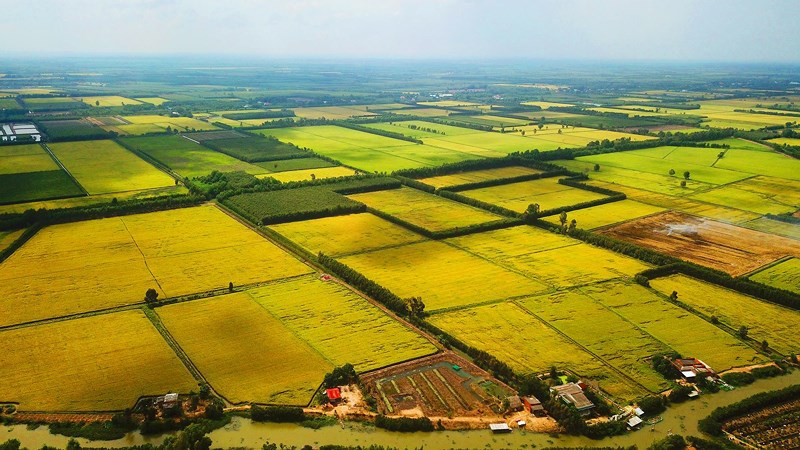
Organic farming communities play an important role in protecting the environment, improving community health and ensuring food security. Below are specific benefits of building these communities:
Strengthening food security
Organic agriculture conserves and regenerates natural resources, improving crop and livestock productivity and quality and thereby ensuring national food security. Organic cultivation maintains soil fertility and good structure, increasing water absorption and retention and supplying nutrients to crops. This minimizes crop failure risks from water shortages or floods while increasing yields and product quality.
Avoiding chemical fertilizers and insecticides in organic production also reduces costs and creates products safe for consumers. This is important for ensuring food security and reducing pressure on natural resources.
Protecting the environment
Organic agriculture minimizes environmental pollution, protects biodiversity and contributes to addressing climate change. Organic cultivation methods and techniques not only maintain soil fertility and good structure but also reduce water and energy consumption during production. This reduces carbon emissions and other pollutants released into the environment.
Avoiding chemical fertilizers and insecticides also minimizes soil and water pollution, protects biodiversity and maintains ecosystem balance. This positively affects the environment and human health.
Improving community health
Organic food is clean, safe and nutritious, helping improve people's health and quality of life. Avoiding chemicals in organic agricultural production minimizes health risks for workers and consumers. Organic products are also more nutritious because they are grown and cared for using natural methods, improving people's health and quality of life.
Factors needed to build organic farming communities
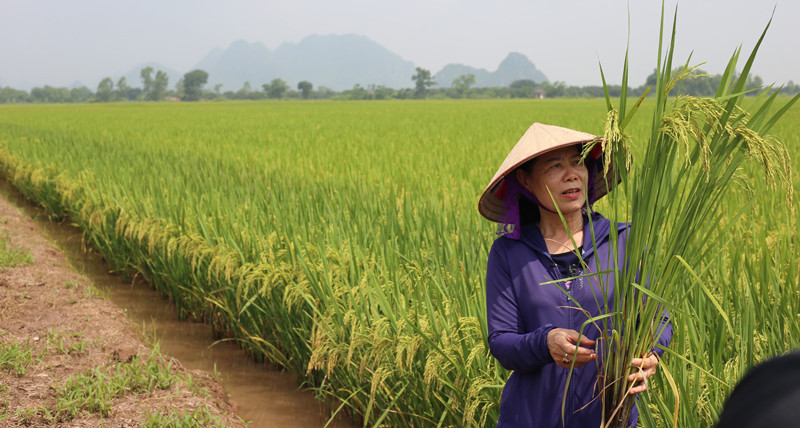
The following factors can contribute to building an effective organic farming community:
Cooperation and exchange among farmers
Cooperation and exchange among farmers are important in building organic farming communities. When farmers cooperate and share organic cultivation experience and knowledge, they can learn and improve production methods, increasing yields and product quality. Cooperation also reduces costs and increases market competitiveness.
Government support
Governments play an important role in supporting organic farming communities. Policies and regulations supporting organic production, along with farmer training and funding programs, are important for promoting community development.
Business support
Businesses play an important role in supporting organic farming communities. Examples include supplying organic crop varieties and livestock breeds, production tools and equipment, and technical and financial support for farmers. This increases production capacity and competitiveness within the community.
People's initiative and creativity
People's initiative and creativity are also important in building organic farming communities. Finding and applying effective organic cultivation methods, combined with other business activities such as agritourism or organic product processing, also increases incomes and contributes to community development.
Typical organic farming community models
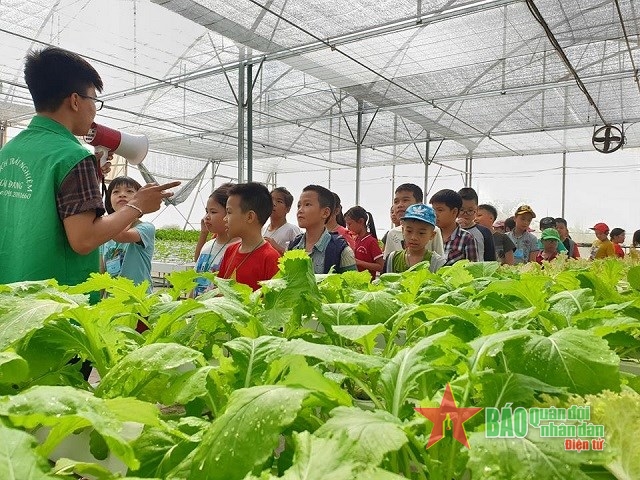
Many organic farming community models are currently being implemented successfully around the world. Below are some typical models:
Organic farming communities in Japan
Japan is a pioneer in building organic farming communities. Many models have been successfully implemented there. One is "Fureai Farm" (Farm of Friendship) in Aichi Prefecture, where farmers cooperate in production and share organic farming experience. It is also an agritourism destination attracting many visitors.
Organic farming communities in Germany
Germany is one of the world's leading countries in organic production and consumption. Many community models are implemented there, such as "Community Supported Agriculture" (CSA), in which farmers and consumers cooperate to produce and consume organic products.
Organic farming communities in Vietnam
In Vietnam, organic farming community models are also developing and achieving considerable success. One example is "Ha Long Xanh Organic Agriculture Cooperative" in Quang Ninh Province, where farming households cooperate to produce and consume organic products.
The government's role in supporting organic farming communities

Governments play an important role in supporting organic farming communities. Policies and regulations supporting organic production, along with farmer training and funding programs, are important for promoting community development.
Governments can also support communities by facilitating access to investment capital and new organic production technologies. This increases competitiveness and production productivity in organic farming communities.
The role of businesses in supporting organic farming communities
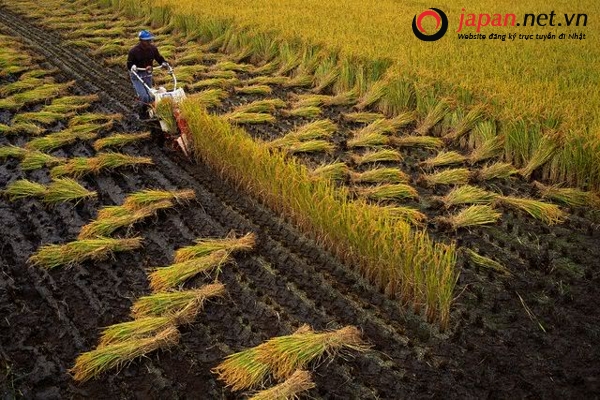
Businesses play an important role in supporting organic farming communities. Examples include supplying organic crop varieties and livestock breeds, production tools and equipment, and technical and financial support for farmers. This increases production capacity and competitiveness within the community.
Businesses can also help by expanding markets for organic agricultural products. Building distribution channels and promoting organic product brands increases consumer access and contributes to community development.
The role of consumers in supporting organic farming communities

Consumers play an important role in supporting organic farming communities. Choosing and consuming organic agricultural products creates a stable market and encourages farmers to adopt organic methods. This positively affects consumer health and protects the environment.
Consumers can also help by participating in exchanges and learning activities about organic cultivation, sharing experience and knowledge with community farmers.
Challenges in building organic farming communities
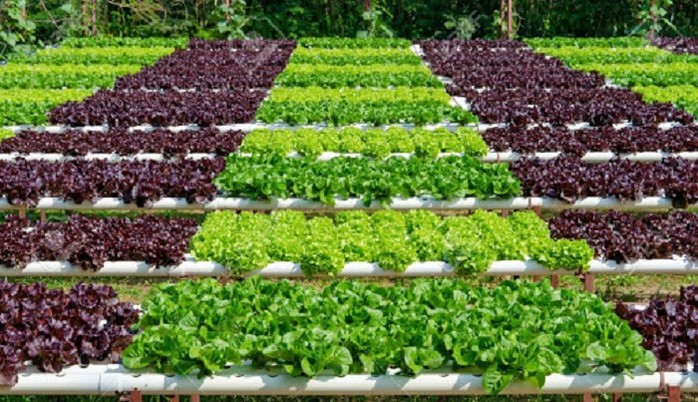
Despite many benefits and development potential, building organic farming communities faces many challenges. Some main challenges include:
High initial investment costs
Conversion to organic agricultural production requires substantial initial investment, from changing land management and cultivation methods to investing in new equipment and technology. This can be a barrier for farmers and businesses seeking to join organic farming communities.
Limited human resources and technical expertise
Organic agricultural production requires high levels of expertise and technical skills, from land management and crop and livestock care to product handling and storage. However, some rural areas still have limited human resources and technical capacity for organic production.
Underdeveloped consumer markets
Finding markets for organic agricultural products is also a challenge for organic farming communities. Vietnam's organic product market remains limited and incompletely developed.
Conclusion
Building organic farming communities is a current trend in sustainable agricultural development. Cooperation and sharing among farmers, businesses and consumers are important for promoting these communities. However, government support and investment, together with active stakeholder participation, are needed to overcome challenges and build sustainable, effective organic farming communities.

Related articles:
- Organic agriculture in Quang Ninh
- Cost effectiveness of organic and chemical fertilizers
- Vermicompost for urban balcony farming